Aluminium Sheet 6082 T6
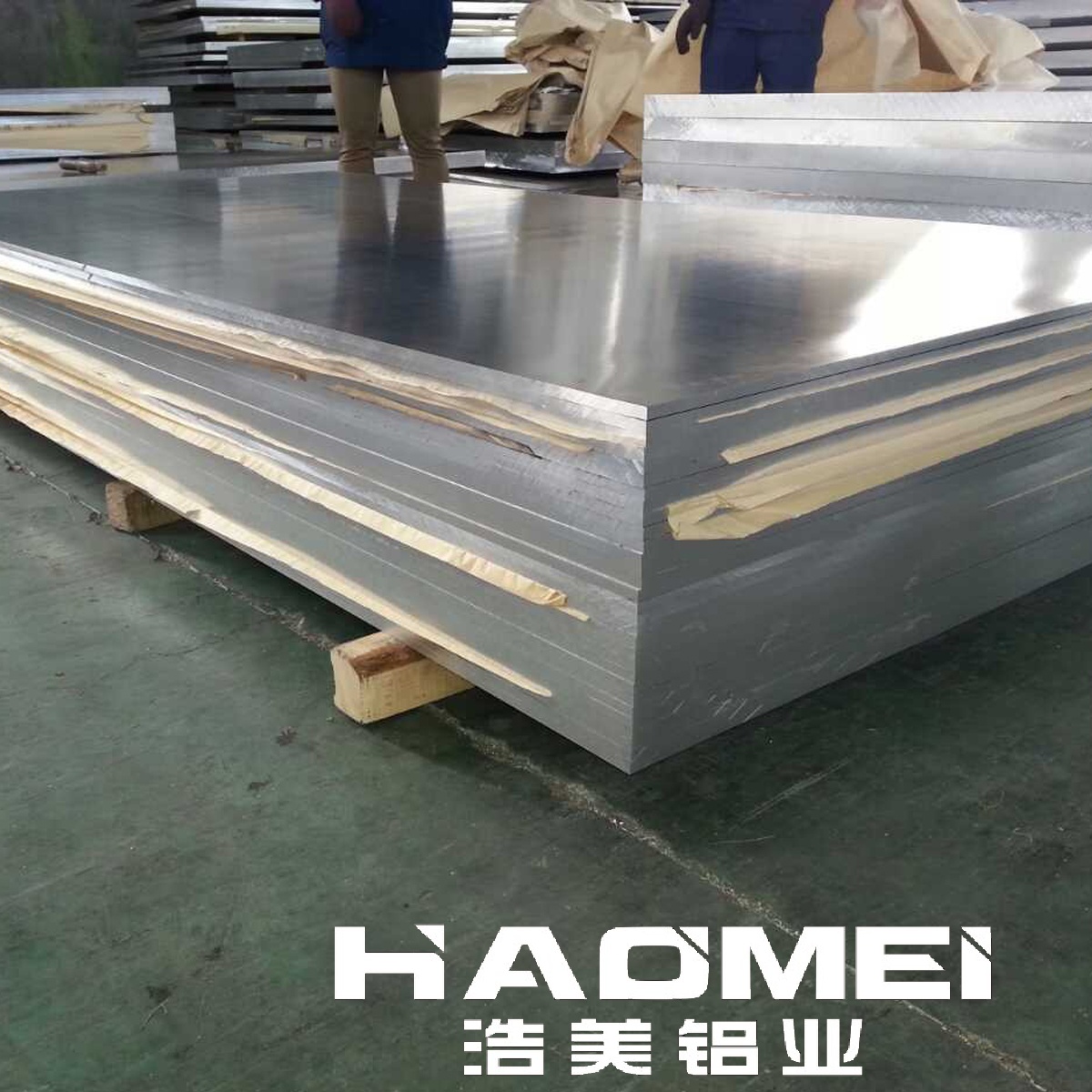
Aluminium Sheet 6082 T6 is drawing renewed attention from manufacturers in Europe and Asia this quarter as transport, marine, and industrial equipment makers adjust designs to balance weight reduction, corrosion performance, and total cost. Buyers and service centers report that interest is being driven by a mix of engineering requirements and procurement strategy: a preference for readily available, heat-treated structural sheet that can be machined and welded with predictable results.
Why the market is revisiting 6082-T6 now
In interviews with distributors and fabricators, several themes emerged behind the current momentum:
- Lightweighting pressure in commercial vehicles, rail interiors, and industrial automation frames.
- Durability expectations for outdoor and coastal applications where corrosion resistance matters.
- Shift toward standardization, with engineering teams narrowing material selections to reduce qualification workload.
"Procurement teams are asking for materials that can cover multiple use cases without constant re-validation," said a simulated metals market analyst at a European service center. "6082-T6 often lands in the conversation because it sits in a practical middle ground: strong enough for many structural parts, available in sheet and plate forms, and familiar to workshops."
What makes Aluminium Sheet 6082 T6 technically attractive
Often categorized within the 6xxx series (Al-Mg-Si), 6082 in the T6 temper is solution heat-treated and artificially aged, supporting a strong strength-to-weight profile for fabricated structures. Engineers cite three recurring advantages:
Strength-to-weight for structural fabrication
Compared with more formability-focused alloys, 6082-T6 is frequently selected where stiffness and strength help reduce section thickness or part count. In practice, that can mean lighter brackets, frames, and load-bearing panels without switching to heavier steels.
Machinability and shop-floor predictability
Fabricators highlight consistent machining behavior for CNC components, drilled patterns, and milled interfaces. This matters for production lines where cycle time and tool wear influence cost.
Corrosion behavior and surface finishing
While not universally positioned as a "marine grade" solution across every specification, 6082 is commonly used in marine-adjacent environments when paired with appropriate design and finishing, including anodizing or protective coatings.
Supply chain and pricing signals
Service centers say demand is also being influenced by availability. In some regions, buyers are consolidating toward fewer SKUs that remain reliably stocked in multiple thickness ranges.
A simulated data snapshot from a regional distributor indicated:
- Higher RFQ activity for standard thicknesses used in industrial frames and transport components.
- Increased requests for material certificates and traceability documentation to support regulated applications.
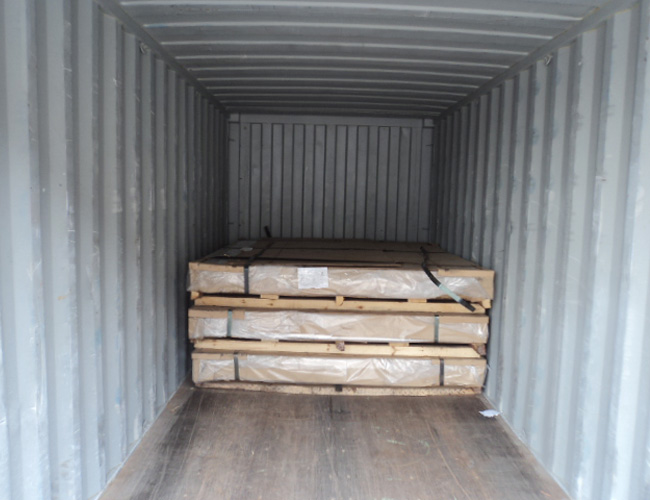
- More frequent inquiries for cut-to-size sheet to reduce in-house processing.
At the same time, market participants cautioned that pricing remains sensitive to energy costs, rolling capacity, and logistics conditions, particularly for cross-border shipments.
How it compares to nearby alternatives
Engineers typically evaluate 6082-T6 alongside other widely used aluminum grades. While final selection depends on code requirements and design priorities, workshops often frame the comparison this way:
- 6082-T6 vs 6061-T6: Both are common structural choices, but 6082 is frequently discussed in European-centric supply chains, while 6061 may be more prevalent in other regions. Availability and specification preferences can be decisive.
- 6082-T6 vs 3003: 3003 is valued for formability and corrosion resistance in non-structural uses, while 6082-T6 is usually chosen when higher mechanical performance is required.
This positioning helps explain why Aluminium Sheet 6082 T6 is increasingly specified for platforms, machinery guards, vehicle structures, and modular assemblies, especially where designers want a balance between performance and manufacturability.
Industry impact: design standardization and faster qualification
The broader implication is a move toward faster qualification cycles. As manufacturers standardize around well-understood alloys, they can shorten testing timelines for new product variants. That can be significant for sectors responding to frequent model updates, such as e-mobility equipment, automated warehousing systems, and specialized trailers.
A simulated welding engineer at an industrial fabricator noted that "material familiarity" is becoming a competitive advantage: teams prefer alloys with established welding procedure specifications (WPS), proven heat-affected zone behavior, and predictable distortion control methods.
Outlook: where demand may grow next
Looking ahead, distributors expect continued demand for Aluminium Sheet 6082 T6 in applications tied to infrastructure upgrades and equipment modernization. Areas to watch include:
- Rail and public transport refurbishments, where weight and corrosion performance both matter.
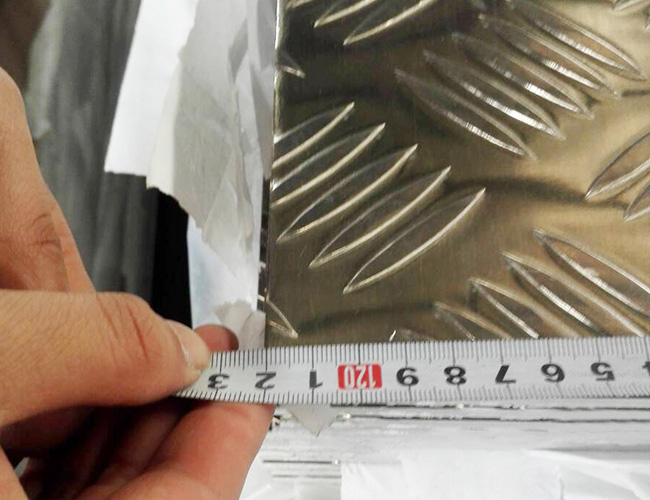
- Industrial platforms and access systems, including anti-slip solutions when paired with tread plate components.
- Marine-adjacent equipment such as dock hardware, ladders, and support structures.
Conclusion
With manufacturers under pressure to deliver lighter, durable products while keeping production practical, Aluminium Sheet 6082 T6 is re-emerging as a strategic material choice rather than a commodity default. The next phase of growth will likely depend on stable supply, clear specification alignment across regions, and continued emphasis on certified, traceable structural aluminum for high-throughput fabrication.
Meta description (150-160 characters): Aluminium Sheet 6082 T6 is seeing rising demand across transport, marine, and industrial fabrication as buyers prioritize strength-to-weight and supply stability.


